
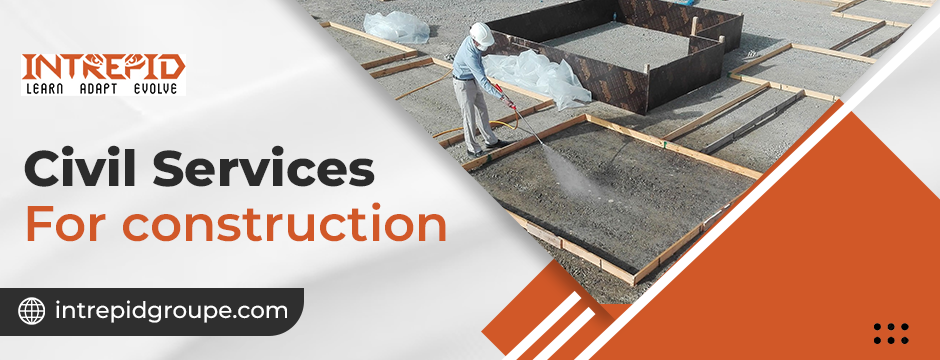
Construction projects, whether residential or commercial, demand careful planning, technical expertise, and consistent supervision. From the foundation to the finishing touches, every stage requires coordination between structural, mechanical, and maintenance teams. This is where civil services for construction play a crucial role. These services form the backbone of any successful project, ensuring that buildings are structurally sound, compliant with regulations, and built to last.
This comprehensive guide explores what civil services involve, why they are important for both residential and commercial developments, and how they contribute to safety, efficiency, and long-term performance.
Understanding Civil Services in Construction
Civil services encompass a broad range of activities related to building, maintaining, and upgrading infrastructure. These services support new construction projects, renovations, and ongoing facility maintenance. They typically include structural works, layout planning, scaffolding, insulation, painting, coating, component management, and structural supervision.
In both residential and commercial settings, civil services extend beyond simply constructing walls and roofs. They involve detailed layout planning, careful material selection, adherence to safety standards, and continuous cost management to ensure that projects are delivered on time and within budget.
Civil Services in Residential Projects
Residential construction projects vary from single-family homes to large apartment complexes. Each type requires attention to structural integrity, safety, and aesthetic quality.
1. New Construction and Layout Planning
In residential developments, civil teams are responsible for executing layout plans that maximize space utilization while complying with building codes. Proper groundwork, foundation preparation, and structural alignment ensure long-term durability.
High-quality materials are essential for achieving reliable outcomes. Careful selection of concrete, steel, insulation materials, and finishing products directly impacts the lifespan of the property.
2. Renovations and Upgrades
Many residential properties require renovation to enhance functionality or modernize outdated structures. Civil services handle structural modifications, wall adjustments, reinforcement work, and energy-efficient upgrades. Renovation projects demand precision to avoid compromising the existing framework while improving usability and value.
3. Scaffolding and Insulation
Safe scaffolding systems are critical during both new construction and renovation projects. Properly installed scaffolding ensures worker safety and improves efficiency on-site. Additionally, energy-efficient insulation enhances thermal performance, helping homeowners reduce long-term utility costs.
4. Painting and Coating
Protective coatings and high-quality painting not only enhance aesthetics but also protect structures from moisture, corrosion, and environmental damage. This ensures longevity and reduces maintenance needs over time.
Civil Services in Commercial Projects
Commercial construction projects, such as office buildings, retail spaces, warehouses, and institutional facilities, present unique challenges. These projects are typically larger in scale and require detailed coordination between multiple service providers.
1. Structural Supervision and Cost Management
Commercial developments demand strict oversight to ensure that construction aligns with engineering standards and financial plans. Structural supervision involves continuous quality checks, inspections, and progress monitoring. Effective cost management helps reduce overheads and prevents budget overruns.
2. Component Management
In commercial environments, every structural component must function optimally. This includes flooring systems, walls, ceilings, external facades, and finishing materials. Component management ensures that each element performs reliably under high usage conditions.
3. Coordination with MEP Systems
Commercial buildings rely heavily on mechanical, electrical, and plumbing systems. Civil teams often work alongside MEP professionals to ensure proper integration of structural and utility systems. This includes preparing spaces for HVAC installations, plumbing networks, and electrical wiring.
The Role of Preventive Maintenance

Construction does not end once a building is completed. Continuous maintenance plays a critical role in ensuring safety and smooth operations. Well-structured preventive maintenance programs help extend the durability of structural components while reducing the risk of expensive repairs and unexpected failures.
Regular inspections identify cracks, water seepage, structural shifts, or material deterioration before they escalate into major problems. Proactive care reduces downtime and ensures that facilities remain safe and operational.
In both residential complexes and commercial facilities, having access to emergency civil repairs is equally important. Unexpected structural issues, such as damage caused by environmental factors or accidental impacts, require swift and efficient solutions to minimize disruption and restore safety.
Importance of Safety and Compliance
Safety is one of the most critical aspects of construction. Civil services ensure compliance with local building regulations, safety codes, and environmental standards. This includes:
- Proper load-bearing calculations
- Fire-resistant materials where required
- Secure scaffolding systems
- Safe insulation practices
- Structural reinforcements for high-risk zones
Adherence to regulations not only protects occupants but also reduces legal risks and financial liabilities for property owners.
Enhancing Efficiency and Minimizing Disruptions
Time is a valuable resource in construction projects. Delays can significantly impact budgets and occupancy timelines. Professional civil teams focus on efficient scheduling, transparent processes, and streamlined coordination to minimize operational disruptions.
For commercial facilities, minimizing downtime is especially critical. Structured planning and phased construction approaches allow businesses to continue operations while upgrades or repairs are underway.
Efficiency also involves sourcing high-quality materials that ensure durability and reduce the need for frequent repairs. Reliable procurement and installation practices contribute to smooth project execution and long-term reliability.
Sustainability and Energy Efficiency
Modern construction increasingly prioritizes sustainability. Civil services support environmentally responsible building practices through energy-efficient insulation, durable materials, and structural designs that optimize natural lighting and ventilation.
Sustainable construction methods reduce long-term operating costs and contribute to environmental conservation. In residential settings, this translates to lower utility bills. In commercial spaces, it enhances corporate responsibility and operational efficiency.
Budget and Timeline Management
Managing costs without compromising quality is one of the biggest challenges in construction. Effective civil project management involves:
- Transparent budgeting
- Accurate material estimation
- Strategic scheduling
- Continuous monitoring
By balancing quality oversight with financial control, project managers ensure that developments stay on track. This structured approach is fundamental to successful civil services for construction, particularly in large-scale commercial projects.
Why Civil Services Matter Across All Sectors
Whether constructing a home, renovating an office building, or maintaining an industrial facility, the structural foundation determines overall performance. Poorly executed civil work can lead to safety hazards, frequent repairs, and high maintenance costs.
On the other hand, well-planned and professionally executed civil services for construction deliver:
- Enhanced structural durability
- Improved safety standards
- Reduced long-term maintenance costs
- Better integration with mechanical and electrical systems
- Greater property value
These advantages make civil services an indispensable component of both residential and commercial development.
Key Considerations When Planning Civil Works
Before starting any construction or renovation project, consider the following:
- Define clear project objectives and timelines.
- Conduct thorough site assessments.
- Ensure compliance with building codes and regulations.
- Prioritize quality materials over short-term cost savings.
- Implement preventive maintenance strategies after project completion.
Careful planning combined with professional execution leads to efficient outcomes and long-term reliability.
Intrepid MEP and Civil Services UAE
Intrepid delivers comprehensive MEP and civil solutions designed to support residential, commercial, industrial, and institutional facilities across the UAE. We provide end-to-end services, from new construction and renovations to preventive maintenance and structural supervision. Our team handles everything from scaffolding and insulation to painting, coating, procurement, and seamless installation of mechanical, electrical, and plumbing systems. With a strong focus on quality materials, transparent processes, and on-time project delivery, we minimize operational disruptions while maximizing efficiency. Whether it’s routine maintenance or urgent repair requirements, we ensure your facility remains safe, functional, and optimized for long-term performance.
Conclusion
From foundational groundwork to structural supervision and ongoing maintenance, civil work forms the core of any building project. Whether it involves new construction, renovations, scaffolding, insulation, painting, or cost management, each component plays a vital role in ensuring structural integrity and operational efficiency. Ultimately, investing in high-quality civil services for construction ensures that residential and commercial properties remain safe, functional, and durable for years to come.


















Leave a Reply